
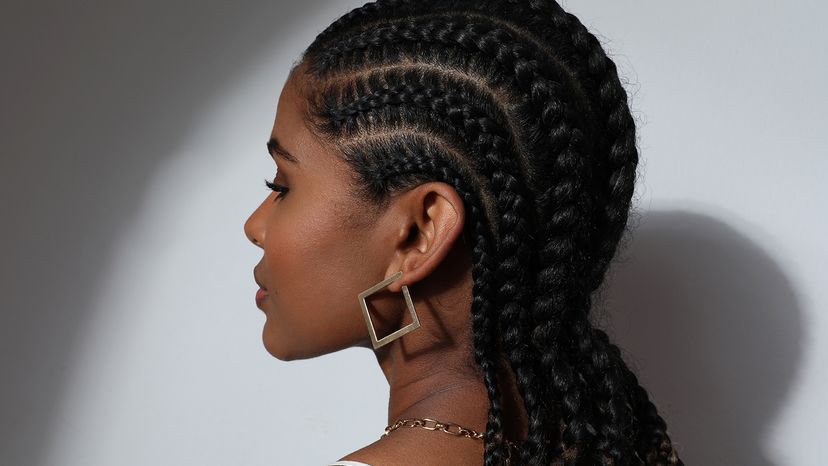
When you see an intricate braid today, you might think it's just a hairstyle.
But ask the deeper question—where do braids originate from—and you uncover a global, centuries-long tradition that blends beauty, culture, and history.
Advertisement
When you see an intricate braid today, you might think it's just a hairstyle.
But ask the deeper question—where do braids originate from—and you uncover a global, centuries-long tradition that blends beauty, culture, and history.
Advertisement
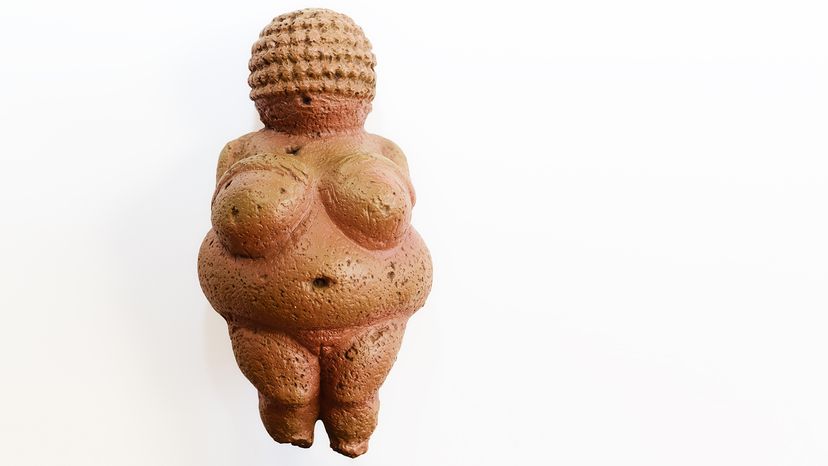
The oldest known depiction of braided hair is much older than you'd guess, dating back roughly 25,000 to 30,000 years ago. The Venus of Willendorf figurine (around 25,000–30,000 years old) appears to display a braided hairstyle, and artifacts from Egypt and Nigeria reveal detailed braiding patterns.
In societies across Africa, braids were more than fashion. They signaled marital status, tribe, age, wealth, religion, and even social rank.
Advertisement
Among the Himba people of Namibia, for example, braided styles are still worn as a way to indicate life stages. Children, women, and men all have specific braided hairstyles tied to age and social identity.
These traditions formed the basis of braiding as a social art—a way to bond, tell stories, and pass down culture.
Advertisement
Braids, especially in natural hair, also served a functional purpose.
In hot climates, braiding hair close to the scalp helped shield the hair and scalp from direct sun exposure while keeping the wearer cool and unencumbered. Styles like cornrows, box braids, and goddess braids offered a protective style that maintained long hair with minimal breakage.
Advertisement
Braiding became a routine form of care and expression, with younger children learning techniques from elders. For many Black Americans today, braided styles continue this tradition while also representing cultural pride and identity.
While braids began in ancient Africa, they spread across many cultures and time periods.
In Europe, styles like Dutch braids and French plaits were worn as ornate braid options for both everyday wear and special occasions. In Asia and among Indigenous peoples in the Americas, braiding also held cultural and spiritual meaning.
Advertisement
Throughout the Iron Age and Middle Ages, people of all backgrounds used braiding techniques to style long hair. From soldiers to royalty, hair styles could show status or serve as practical solutions for travel and battle.

Today, braids continue to evolve. Whether adorned with beads, twisted into Bantu knots, or paired with ponytails and locs, braids represent far more than style. They are an art form, a protective measure, and a symbol of community.
Most people who wear braids may start practicing with simple fishtail braids or braided ponytails. But the deeper history—from African culture to other cultures across the world—reveals braiding as a form that connects generations.
Advertisement
We created this article in conjunction with AI technology, then made sure it was fact-checked and edited by a HowStuffWorks editor.
Please copy/paste the following text to properly cite this HowStuffWorks.com article:
Advertisement