10 Types of Perms for Different Lengths and Textures

By: Elena Tralwyn  | 
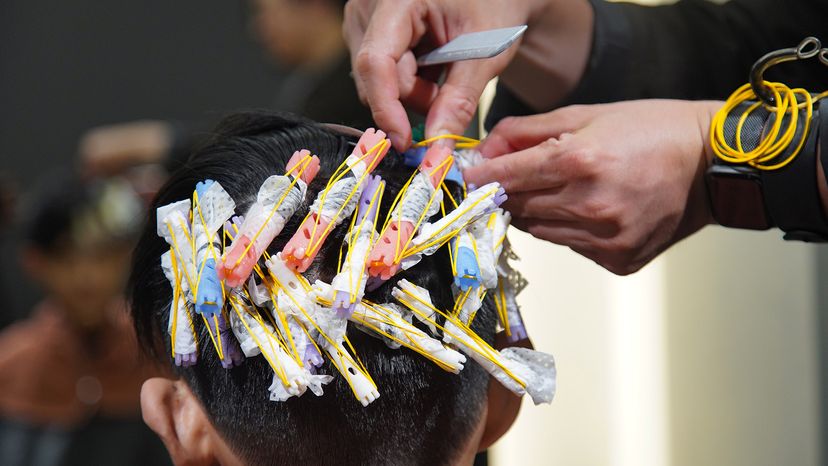
Image of a hairdresser wrapping a perm rod
Permed hair isn't the same in the 2020s as it was in the 1980s. yamasan0708 / Shutterstock

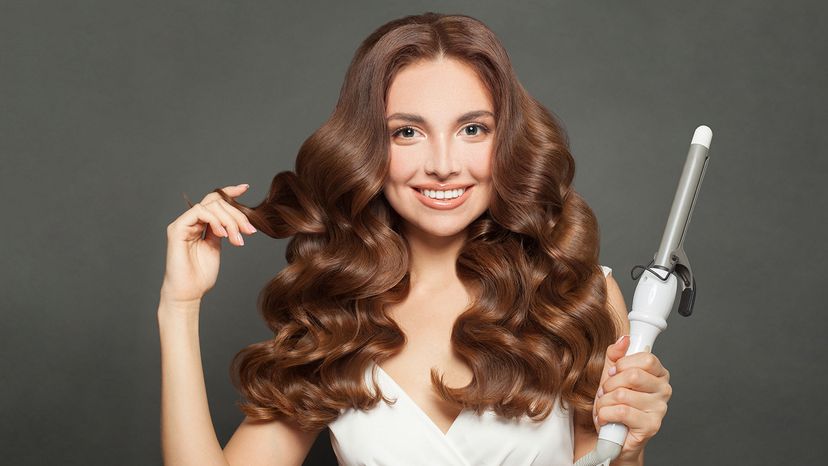
Perms have come a long way since their '80s heyday. Today’s styles are more versatile, subtle, and tailored to different hair types.

Whether you want dramatic curls or natural-looking waves, the many types of perms can give straight hair or flat hair a long-lasting texture boost.

Advertisement

Here’s a guide to popular perm styles and how they work for different hair lengths, textures, and curl goals.

1. Spiral Perm

Spiral perm
Spiral perm. MilanMarkovic78 / Shutterstock

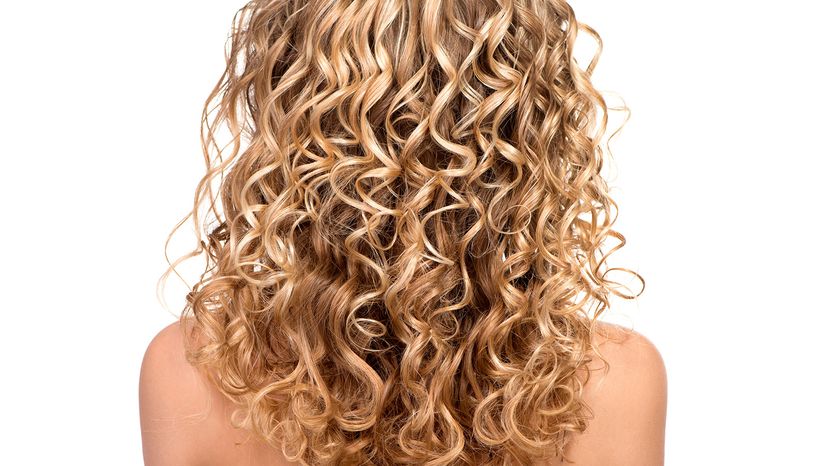
A spiral perm uses traditional perm rods in a vertical pattern to create tight curls or corkscrew curls. This style is perfect for long hair and offers a dramatic, uniform curl pattern with lots of volume and bounce.

Best for: Medium to long hair; those seeking tight and defined curls

Advertisement

2. Body Wave Perm

This is one of the most popular modern perm styles. A body wave perm adds soft, loose waves for a natural-looking texture. It uses larger rods and a gentler perm solution to create subtle, beachy waves without tight curls.

Best for: Slightly wavy hair, flat hair, medium-length hair

Advertisement

3. Beach Wave Perm

Beach wave perm
Beach wave perm. wavebreakmedia / Shutterstock

As the name suggests, this style mimics the tousled, sun-kissed look of a day at the beach. Beach wave perms create loose curls that look effortless and lived-in.

Best for: Long, thick hair; those seeking a casual, relaxed look

Advertisement

4. Digital Perm (Hot Perm)

Hot perm
Hot perm. Artmim / Shutterstock

Using heat-activated tools, a digital or hot perm offers more control over the curl pattern. This technique reshapes the hair’s bonds with heat and is often used to create bouncy curls that look more like natural curls.

Best for: Medium to long hair, healthy hair

Advertisement

5. Cold Perm

This is the traditional method using alkaline perms and does not require heat. Cold perms create tighter curls and are more suitable for hair that is resistant to curling.

Best for: Coarse or resistant hair types, tighter curl patterns

Advertisement

6. Root Perm

Designed to add lift and volume at the roots, a root perm is ideal for people with fine or flat hair. It focuses only on the roots to boost body without changing the rest of the hair’s natural texture.

Best for: Fine hair, volumizing effect near the scalp

Advertisement

7. Stack Perm

A stack perm creates curls only in the middle and lower sections of the hair, keeping the crown flatter. This style adds volume and movement to medium to long hair.

Best for: Layered haircuts on medium to long hair

Advertisement

8. Spot Perm (Partial Perm)

Spot or partial perms focus on specific sections of the hair, such as the ends or one side. It’s great for blending naturally curly areas or adding shape to only part of the hair.

Best for: Customizing curl patterns, fixing uneven curl distribution

Advertisement

9. Multi-textured Perm

Multi-textured perm
Multi-textured perm. Subbotina Anna / Shutterstock

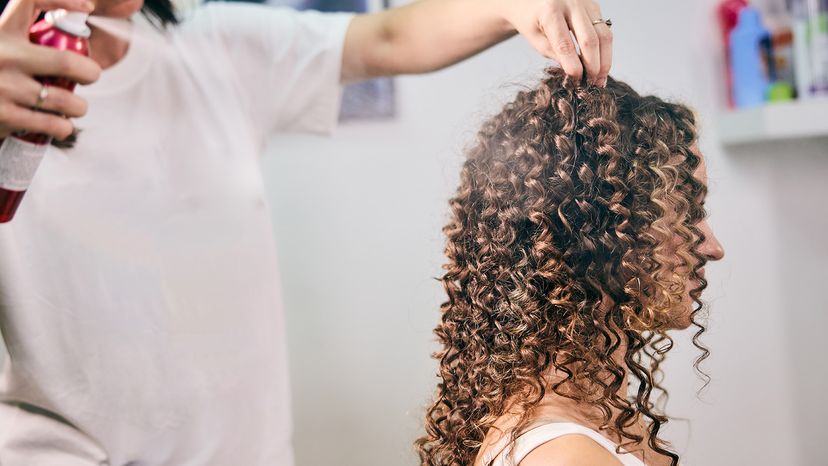
This style uses rods of varying sizes to create a mix of tight and loose curls for a more natural looking curl pattern. It works well with various hair lengths and textures.

Best for: Natural looking curls, blending different curl types

Advertisement

10. Reverse Perm (Straight Perm)

Unlike traditional perms, a reverse perm or straight perm is designed to straighten naturally curly or wavy hair. This is done using a perm solution to relax the curl and create sleek, pin-straight hair.

Best for: Curly or frizzy hair, smoothing out natural texture

Choosing the Right Perm

When choosing a perm, consider your natural hair texture, hair health, length, and the look you’re going for. The perm process involves altering your hair’s bonds, so healthy hair is key to a great result. Always consult a stylist before booking your perm appointment.

We created this article in conjunction with AI technology, then made sure it was fact-checked and edited by a HowStuffWorks editor.

Advertisement

Loading...